Excavation work in Saanich, British Columbia, encompasses far more than moving earth — it represents a critical intersection of geotechnical engineering, environmental stewardship, and regulatory compliance. This category covers the full lifecycle of subsurface projects, from initial site investigation and geotechnical design through to construction monitoring and post-excavation assessment. In a region characterized by complex glacial geology, high groundwater tables, and increasing urban densification, professional excavation activities are essential for managing risk, protecting adjacent structures, and ensuring long-term ground stability. Whether for deep building basements, utility corridors, or transportation tunnels, every excavation in Saanich demands a thorough understanding of local soil behavior and the application of rigorous engineering controls.
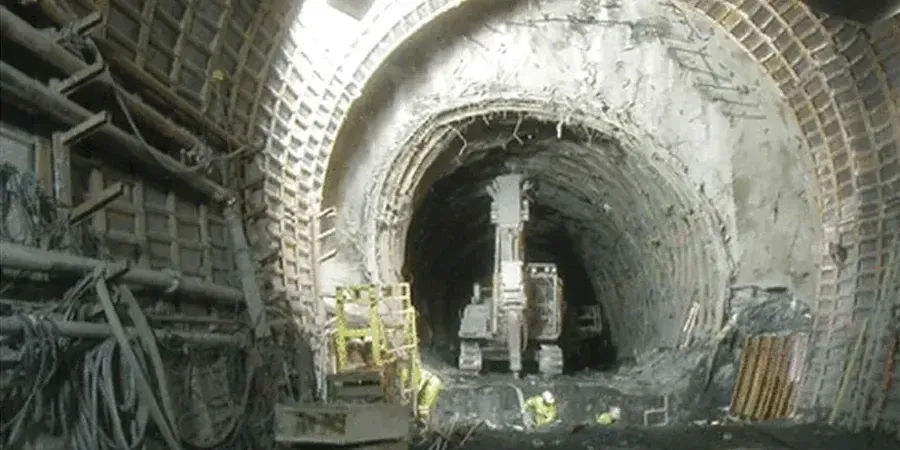
The geological context of Saanich presents unique challenges that directly influence excavation methodology. Much of the municipality is underlain by Vashon glacial till, a dense, unsorted mixture of silt, sand, and gravel deposited during the last glaciation. However, significant areas also feature soft marine clays and organic soils, particularly in low-lying zones near the Saanich Inlet and Swan Lake. These materials exhibit low shear strength and high compressibility, making them particularly susceptible to instability during open-cut excavations. Additionally, perched groundwater is common, and the water table often sits within a few metres of the surface. For projects involving geotechnical analysis for soft soil tunnels, these conditions demand specialized evaluation of face stability, settlement trough prediction, and groundwater control measures to prevent catastrophic ground loss.
All excavation activities in Saanich must conform to provincial and national regulations, most notably the BC Building Code 2024 and WorkSafeBC Part 20: Excavations. The BC Building Code references the National Building Code of Canada while adding regional amendments addressing seismic hazard and soil-structure interaction. WorkSafeBC mandates that any excavation deeper than 1.2 metres must be assessed by a qualified professional, with written shoring designs required for excavations exceeding 4.5 metres or where workers enter the excavation. The Canadian Foundation Engineering Manual provides the technical backbone for design, while municipal bylaws in Saanich impose additional requirements for sediment control, dewatering discharge, and tree protection zones. Compliance with these overlapping frameworks is non-negotiable and requires close collaboration between geotechnical engineers, contractors, and regulatory bodies.
The range of projects requiring professional excavation activities in Saanich is broad and growing. Residential and commercial developments frequently involve geotechnical design of deep excavations for underground parking structures, often extending three or more storeys below grade. Municipal infrastructure upgrades — including sanitary sewer replacement and stormwater management systems — demand trenchless technologies and carefully engineered support-of-excavation systems to minimize disruption in established neighborhoods. Transportation projects, such as the ongoing improvements along the Patricia Bay Highway corridor, involve cut-and-cover tunnels and bridge abutment excavations in challenging mixed-face conditions. Institutional buildings on the University of Victoria campus and health care facilities in the Royal Oak area also routinely require deep excavations adjacent to sensitive structures, where geotechnical excavation monitoring provides real-time data on ground movement, vibration, and pore pressure changes to validate design assumptions and trigger contingency measures if needed.
Quick answers
What is the difference between an open-cut excavation and a supported excavation?
An open-cut excavation uses sloped or benched sidewalls to maintain stability without structural support, suitable where space allows and groundwater is controlled. A supported excavation employs shoring systems such as soldier piles, sheet piles, or diaphragm walls to retain soil vertically, required in Saanich when depth exceeds 1.2 metres in constrained sites or where adjacent structures limit benching. Supported excavations demand engineered design per WorkSafeBC and the BC Building Code.
How do Saanich's glacial soils affect excavation planning and cost?
Glacial till in Saanich is dense and abrasive, often requiring heavy equipment and hardened cutting tools, which increases production time and wear costs. Conversely, soft marine clays present in low-lying areas are easier to excavate but demand extensive shoring and dewatering, potentially raising overall project expenses. A thorough geotechnical investigation is critical to quantify these conditions and avoid unexpected delays or change orders during construction.
What permits are required for an excavation project in Saanich?
Permit requirements vary by scope but typically include a building permit for structural shoring, a sediment and erosion control permit from the municipality, and a dewatering discharge permit if groundwater is pumped. Excavations near watercourses may trigger provincial approvals under the Water Sustainability Act. Additionally, WorkSafeBC requires notification for excavations deeper than 4.5 metres, and a geotechnical engineer must review and stamp all shoring designs.
When is real-time monitoring necessary during excavation?
Real-time monitoring becomes essential when excavating adjacent to sensitive structures, in soft soils with high settlement potential, or where groundwater drawdown could impact neighboring properties. In Saanich, projects within 10 metres of existing buildings or utilities routinely employ inclinometers, piezometers, and vibration sensors. This data allows the geotechnical team to verify design assumptions and implement contingency measures before minor movements escalate into structural distress.